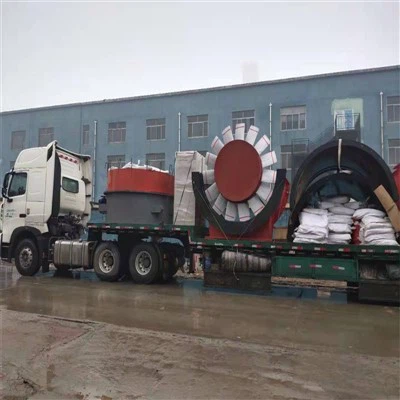
Gas pumping air blowers are essential equipment in various industries, including mining, chemical processing, and wastewater treatment. As a leading supplier of gas pumping air blowers, I often receive inquiries about the materials used in their construction. Understanding the materials is crucial as it directly impacts the blower's performance, durability, and suitability for specific applications. In this blog post, I will delve into the common materials used in gas pumping air blowers and their respective advantages.
Metals
Metals are widely used in the construction of gas pumping air blowers due to their strength, durability, and heat resistance.
Cast Iron
Cast iron is a popular choice for the housing of gas pumping air blowers. It is known for its high strength and excellent resistance to wear and corrosion. Cast iron can withstand high pressures and temperatures, making it suitable for heavy-duty applications. The thick walls of cast iron housings also help to dampen noise and vibrations, providing a quieter and more stable operation. However, cast iron is relatively heavy, which can make the blower more difficult to install and transport.


Steel
Steel is another commonly used metal in gas pumping air blowers. It offers a good balance of strength, durability, and cost-effectiveness. Steel can be easily fabricated into various shapes and sizes, allowing for the design of customized blowers to meet specific requirements. Stainless steel, in particular, is highly resistant to corrosion and oxidation, making it ideal for applications in harsh environments or where the blower will come into contact with corrosive gases or liquids. However, steel is also prone to rust if not properly protected, so it may require regular maintenance and coating to prevent corrosion.
Aluminum
Aluminum is a lightweight and corrosion-resistant metal that is often used in the construction of smaller gas pumping air blowers. It has a high strength-to-weight ratio, which makes the blower easier to handle and install. Aluminum is also a good conductor of heat, which helps to dissipate heat generated during operation, improving the blower's efficiency and longevity. Additionally, aluminum is relatively inexpensive compared to other metals, making it a cost-effective option for budget-conscious customers. However, aluminum is not as strong as cast iron or steel, so it may not be suitable for high-pressure or heavy-duty applications.
Plastics
Plastics are increasingly being used in the construction of gas pumping air blowers due to their lightweight, corrosion resistance, and low cost.
Polypropylene
Polypropylene is a thermoplastic polymer that is commonly used in the manufacturing of blower components such as impellers, housings, and ducts. It is lightweight, chemical-resistant, and has good mechanical properties. Polypropylene can withstand a wide range of temperatures and is resistant to many chemicals, making it suitable for use in various industries, including chemical processing, food and beverage, and water treatment. However, polypropylene has a relatively low melting point, which limits its use in high-temperature applications.
Polycarbonate
Polycarbonate is a strong and transparent thermoplastic that is often used in the construction of blower covers and windows. It has excellent impact resistance, high optical clarity, and good heat resistance. Polycarbonate can withstand high pressures and temperatures, making it suitable for use in harsh environments. It is also lightweight and easy to fabricate, allowing for the design of complex shapes and sizes. However, polycarbonate is more expensive than other plastics, which may increase the overall cost of the blower.
Acrylonitrile Butadiene Styrene (ABS)
ABS is a common thermoplastic polymer that is used in the manufacturing of blower components such as housings, impellers, and guards. It is a tough, rigid, and lightweight material that has good impact resistance and chemical resistance. ABS can be easily molded into various shapes and sizes, making it suitable for mass production. It is also relatively inexpensive compared to other plastics, making it a cost-effective option for many applications. However, ABS has a relatively low heat resistance, which limits its use in high-temperature applications.
Composites
Composites are materials made by combining two or more different materials to create a new material with improved properties. Composites are increasingly being used in the construction of gas pumping air blowers due to their high strength, lightweight, and corrosion resistance.
Fiberglass Reinforced Plastic (FRP)
FRP is a composite material made by combining fiberglass fibers with a polymer resin. It is a strong, lightweight, and corrosion-resistant material that is commonly used in the construction of blower housings, ducts, and impellers. FRP can withstand high pressures and temperatures, making it suitable for use in harsh environments. It is also easy to fabricate and can be molded into various shapes and sizes. However, FRP is more expensive than other materials, which may increase the overall cost of the blower.
Carbon Fiber Reinforced Plastic (CFRP)
CFRP is a high-performance composite material made by combining carbon fibers with a polymer resin. It is a very strong, lightweight, and stiff material that has excellent mechanical properties. CFRP can withstand high stresses and strains, making it suitable for use in high-performance applications such as aerospace and automotive. However, CFRP is very expensive and difficult to fabricate, which limits its use in gas pumping air blowers.
Other Materials
In addition to metals, plastics, and composites, other materials may also be used in the construction of gas pumping air blowers, depending on the specific application and requirements.
Rubber
Rubber is a flexible and elastic material that is often used in the construction of blower seals, gaskets, and vibration isolators. It has good sealing properties and can prevent the leakage of gases or liquids. Rubber can also absorb vibrations and reduce noise, improving the blower's performance and reliability. However, rubber is prone to aging and degradation over time, which may require regular replacement.
Ceramics
Ceramics are hard, brittle, and heat-resistant materials that are sometimes used in the construction of blower components such as bearings and impellers. Ceramics have excellent wear resistance and can withstand high temperatures and pressures. They are also chemically inert and can resist corrosion and oxidation. However, ceramics are very brittle and difficult to machine, which may increase the cost and complexity of the manufacturing process.
Conclusion
In conclusion, the materials used in the construction of gas pumping air blowers play a crucial role in determining their performance, durability, and suitability for specific applications. Metals such as cast iron, steel, and aluminum are commonly used for their strength, durability, and heat resistance. Plastics such as polypropylene, polycarbonate, and ABS are increasingly being used for their lightweight, corrosion resistance, and low cost. Composites such as FRP and CFRP offer high strength, lightweight, and corrosion resistance, but they are more expensive and difficult to fabricate. Other materials such as rubber and ceramics may also be used in specific applications to provide additional functionality.
As a supplier of gas pumping air blowers, we offer a wide range of products made from different materials to meet the diverse needs of our customers. Whether you need a heavy-duty blower for a mining application or a lightweight blower for a chemical processing plant, we have the expertise and experience to provide you with the right solution. If you are interested in learning more about our products or would like to discuss your specific requirements, please do not hesitate to contact us. We look forward to working with you to find the best gas pumping air blower for your application.
For more information on our industrial pneumatic fans, please visit Industrial Pneumatic Fans. If you are in need of a mine press-in axial fan, check out Mine Press-in Axial Fan. And for coal mine explosion-proof fans, visit Coal Mine Explosion-proof Fan.
References
- ASM Handbook, Volume 1: Properties and Selection: Irons, Steels, and High-Performance Alloys. ASM International.
- Plastics Engineering Handbook of the Society of Plastics Engineers. Carl Hanser Verlag.
- Composite Materials Handbook. Department of Defense.