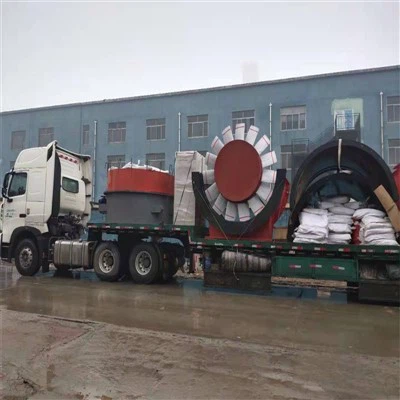
As a seasoned supplier of high temperature fans, I understand the critical role these fans play in various industrial applications. High temperature fans are designed to operate in extreme conditions, where standard fans would fail. They are used in industries such as steel, glass, cement, and power generation, where high temperatures are a constant challenge. However, to ensure their optimal performance and longevity, proper maintenance is essential. In this blog post, I will discuss the maintenance requirements for high temperature fans, drawing on my experience in the industry.
Regular Inspection
Regular inspection is the cornerstone of high temperature fan maintenance. It allows you to detect potential issues early and take corrective action before they escalate into major problems. Here are some key areas to focus on during inspections:


- Visual Inspection: Conduct a visual inspection of the fan regularly. Look for signs of wear, damage, or corrosion on the fan blades, housing, and motor. Check for loose or missing bolts, nuts, and other fasteners. Inspect the fan's wiring for any signs of fraying or damage.
- Bearing Inspection: The bearings are one of the most critical components of a high temperature fan. They support the fan shaft and allow it to rotate smoothly. Over time, bearings can wear out due to high temperatures, vibration, and contamination. Check the bearings for any signs of noise, excessive heat, or play. If you notice any issues, replace the bearings immediately.
- Belt Inspection: If your high temperature fan is belt-driven, inspect the belts regularly for signs of wear, cracking, or stretching. Check the belt tension and adjust it if necessary. Replace the belts if they are worn or damaged.
- Motor Inspection: The motor is the heart of the high temperature fan. It provides the power needed to drive the fan blades. Inspect the motor for any signs of overheating, vibration, or unusual noise. Check the motor's wiring and connections for any signs of damage or loose connections. If you notice any issues, have the motor serviced by a qualified technician.
Cleaning
Cleaning is another important aspect of high temperature fan maintenance. Over time, dust, dirt, and other contaminants can accumulate on the fan blades, housing, and motor. This can reduce the fan's efficiency and increase the risk of overheating. Here are some tips for cleaning your high temperature fan:
- Blade Cleaning: Use a soft brush or compressed air to remove any dust or dirt from the fan blades. Be careful not to damage the blades during cleaning. If the blades are heavily soiled, you may need to use a mild detergent and water to clean them. Rinse the blades thoroughly and allow them to dry completely before reinstalling them.
- Housing Cleaning: Clean the fan housing regularly to remove any dust or dirt. Use a soft brush or compressed air to clean the housing. If the housing is heavily soiled, you may need to use a mild detergent and water to clean it. Rinse the housing thoroughly and allow it to dry completely before reinstalling the fan.
- Motor Cleaning: Clean the motor regularly to remove any dust or dirt. Use a soft brush or compressed air to clean the motor. Be careful not to damage the motor's wiring or connections during cleaning. If the motor is heavily soiled, you may need to have it serviced by a qualified technician.
Lubrication
Lubrication is essential for the proper functioning of high temperature fans. It reduces friction between moving parts, prevents wear and tear, and extends the life of the fan. Here are some tips for lubricating your high temperature fan:
- Bearing Lubrication: The bearings in a high temperature fan require regular lubrication to ensure smooth operation. Use a high-temperature lubricant that is specifically designed for use in bearings. Follow the manufacturer's recommendations for lubrication intervals and the amount of lubricant to use.
- Motor Lubrication: The motor in a high temperature fan may also require lubrication. Check the motor's manual for lubrication instructions. Use a high-temperature lubricant that is specifically designed for use in motors. Follow the manufacturer's recommendations for lubrication intervals and the amount of lubricant to use.
Balancing
Balancing is an important aspect of high temperature fan maintenance. An unbalanced fan can cause excessive vibration, which can lead to premature wear and tear on the fan's components. It can also cause noise and reduce the fan's efficiency. Here are some tips for balancing your high temperature fan:
- Static Balancing: Static balancing involves ensuring that the fan blades are evenly weighted. This can be done by adding or removing weight from the blades. Use a balancing kit to perform static balancing. Follow the manufacturer's instructions for using the balancing kit.
- Dynamic Balancing: Dynamic balancing involves ensuring that the fan rotates smoothly at high speeds. This can be done using a dynamic balancing machine. A qualified technician should perform dynamic balancing.
Temperature Monitoring
Temperature monitoring is an important part of high temperature fan maintenance. High temperatures can cause damage to the fan's components, reduce its efficiency, and increase the risk of failure. Here are some tips for monitoring the temperature of your high temperature fan:
- Thermocouples: Install thermocouples on the fan's bearings, motor, and other critical components. Thermocouples can measure the temperature of these components and send the data to a monitoring system. This allows you to detect any temperature spikes early and take corrective action before they cause damage.
- Infrared Thermometers: Use an infrared thermometer to measure the temperature of the fan's housing and other components. This can help you detect any hot spots that may indicate a problem with the fan.
Conclusion
Proper maintenance is essential for the optimal performance and longevity of high temperature fans. By following the tips outlined in this blog post, you can ensure that your high temperature fan operates efficiently and reliably. Remember to conduct regular inspections, clean the fan regularly, lubricate the bearings and motor, balance the fan, and monitor the temperature. If you have any questions or need further assistance with high temperature fan maintenance, please do not hesitate to [initiate a procurement discussion with us]. We are here to help you keep your high temperature fans in top condition.
References
- ASHRAE Handbook - HVAC Systems and Equipment
- Industrial Fan Standards by AMCA (Air Movement and Control Association)
- Manufacturer's manuals for high temperature fans
To explore our range of high temperature fans, check out these links: High Temperature Resistant Centrifugal Blower Fan, Centrifugal Blower Fan, and 2025 Best Heavy-Duty High-Temperature Centrifugal Fan For Extreme Environments. If you're interested in purchasing high-quality high temperature fans or have any questions about maintenance or our products, feel free to reach out for a procurement discussion.