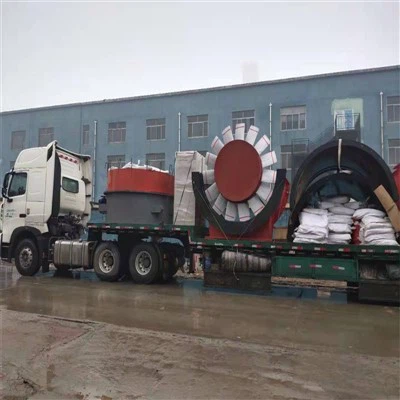
As a seasoned supplier of high temperature fans, I'm often asked about the working principle of these remarkable machines. High temperature fans are essential in various industries, from power generation to chemical processing, where they play a crucial role in maintaining optimal operating conditions. In this blog post, I'll delve into the intricacies of how high temperature fans work, their key components, and the factors that influence their performance.
Basic Working Principle
At its core, a high temperature fan operates on the same fundamental principles as any other fan. It uses mechanical energy to move air or gas from one place to another. However, what sets high temperature fans apart is their ability to withstand and operate in extreme heat environments.
The basic working principle of a high temperature fan involves the conversion of electrical energy into mechanical energy, which is then used to rotate the fan blades. As the blades rotate, they create a pressure difference between the inlet and outlet of the fan. This pressure difference causes air or gas to be drawn into the fan through the inlet and then forced out through the outlet.
Key Components
To understand the working principle of a high temperature fan, it's important to familiarize yourself with its key components. These components work together to ensure the efficient and reliable operation of the fan in high temperature environments.
1. Motor
The motor is the heart of the high temperature fan. It provides the mechanical energy needed to rotate the fan blades. High temperature fans typically use specially designed motors that can withstand the extreme heat and harsh operating conditions. These motors are often cooled by air or water to prevent overheating.
2. Fan Blades
The fan blades are responsible for creating the pressure difference that drives the air or gas through the fan. They are designed to be aerodynamically efficient, which means they can move a large volume of air or gas with minimal energy consumption. High temperature fan blades are made from materials that can withstand the high temperatures and corrosive environments, such as stainless steel or ceramic.
3. Housing
The housing of the high temperature fan encloses the motor and fan blades, providing protection and directing the flow of air or gas. It is typically made from a high-strength material that can withstand the high temperatures and pressures. The housing may also be insulated to reduce heat transfer and improve energy efficiency.
4. Bearings
Bearings are used to support the rotating shaft of the fan blades and reduce friction. High temperature fans use special bearings that can withstand the high temperatures and loads. These bearings are often lubricated with high-temperature grease to ensure smooth operation.
Types of High Temperature Fans
There are several types of high temperature fans available, each with its own unique working principle and application. The most common types of high temperature fans include centrifugal fans, axial fans, and mixed flow fans.
1. Centrifugal Fans
Centrifugal fans are the most widely used type of high temperature fan. They work by using centrifugal force to accelerate the air or gas radially outward from the center of the fan. This creates a high-pressure area at the outlet of the fan, which forces the air or gas to flow through the system. Centrifugal fans are known for their high pressure capabilities and are often used in applications where a large amount of pressure is required, such as in boiler systems and industrial ovens.
If you're looking for a highly efficient and reliable high temperature centrifugal fan, check out our Best Efficient and Reliable High Temperature Centrifugal Fan 2025. This fan is designed to provide optimal performance in high temperature environments, with a high-pressure ratio and low energy consumption.
2. Axial Fans
Axial fans work by using the rotation of the fan blades to create a flow of air or gas parallel to the axis of the fan. They are typically used in applications where a large volume of air or gas needs to be moved at a relatively low pressure, such as in ventilation systems and cooling towers. Axial fans are known for their high efficiency and low noise levels.
Our Axial Flow Mine Underground Fan is a great example of an axial fan designed for high temperature applications. This fan is specifically designed for use in mine tunnels and underground ventilation systems, where it can provide reliable and efficient ventilation in harsh environments.
3. Mixed Flow Fans
Mixed flow fans combine the characteristics of both centrifugal and axial fans. They use a combination of centrifugal force and axial flow to move the air or gas through the fan. Mixed flow fans are often used in applications where a moderate amount of pressure and a large volume of air or gas need to be moved, such as in HVAC systems and industrial ventilation systems.


Factors Affecting Performance
Several factors can affect the performance of a high temperature fan. Understanding these factors is essential for selecting the right fan for your application and ensuring its optimal performance.
1. Temperature
The temperature of the air or gas being handled by the fan is one of the most important factors affecting its performance. High temperatures can cause the air or gas to expand, which can reduce the density and increase the volume. This can affect the fan's ability to move the air or gas efficiently and may require the fan to be oversized to compensate for the reduced density.
2. Pressure
The pressure requirements of the system are another important factor to consider. High temperature fans need to be able to generate enough pressure to overcome the resistance of the system and move the air or gas through it. The pressure requirements will depend on the specific application and the length and diameter of the ductwork.
3. Airflow
The airflow rate is the volume of air or gas that the fan can move per unit of time. It is an important consideration when selecting a high temperature fan, as it will determine the size and capacity of the fan needed. The airflow rate will depend on the specific application and the requirements of the system.
4. Efficiency
The efficiency of the fan is a measure of how effectively it converts electrical energy into mechanical energy. High efficiency fans can save energy and reduce operating costs. When selecting a high temperature fan, it's important to choose a fan with a high efficiency rating to ensure optimal performance and cost savings.
Applications of High Temperature Fans
High temperature fans are used in a wide range of industries and applications, including:
1. Power Generation
In power generation plants, high temperature fans are used to cool the generators, boilers, and other equipment. They help to maintain the optimal operating temperature of the equipment and prevent overheating.
2. Chemical Processing
In the chemical processing industry, high temperature fans are used to handle corrosive gases and vapors. They are often used in processes such as distillation, evaporation, and drying.
3. Metal Processing
In the metal processing industry, high temperature fans are used to remove heat and fumes from furnaces and other equipment. They help to improve the working environment and prevent the buildup of harmful gases.
4. Food Processing
In the food processing industry, high temperature fans are used to dry and cool food products. They help to extend the shelf life of the products and improve their quality.
Conclusion
In conclusion, high temperature fans are essential components in many industries, where they play a crucial role in maintaining optimal operating conditions. Understanding the working principle of a high temperature fan, its key components, and the factors that affect its performance is essential for selecting the right fan for your application and ensuring its optimal performance.
If you're in the market for a high temperature fan, we invite you to explore our range of products, including the Best Efficient and Reliable High Temperature Centrifugal Fan 2025, Axial Flow Mine Underground Fan, and Enhancing Boiler Efficiency with Single-Suction Centrifugal Fans. Our fans are designed to provide reliable and efficient performance in high temperature environments, and we are committed to providing our customers with the highest level of service and support.
If you have any questions or would like to discuss your specific requirements, please don't hesitate to contact us. We look forward to working with you to find the perfect high temperature fan solution for your needs.
References
- ASHRAE Handbook - Fundamentals. American Society of Heating, Refrigerating and Air-Conditioning Engineers.
- Fan Engineering - A Practical Guide. Buffalo Forge Company.
- Industrial Ventilation - A Manual of Recommended Practice. American Conference of Governmental Industrial Hygienists.