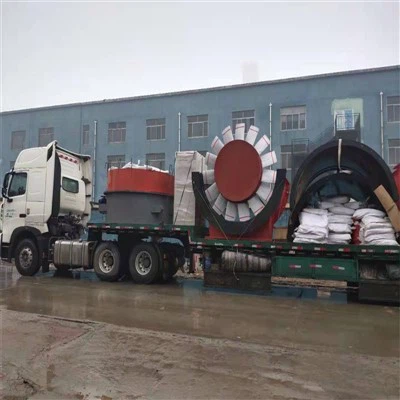
Hey there! As a supplier of roof axial flow fans, I often get asked about the difference between high - pressure and low - pressure roof axial flow fans. So, let's dive right in and break it down.
Basics of Roof Axial Flow Fans
First off, let me give you a quick rundown on what roof axial flow fans are. These fans are installed on the roofs of buildings. They work by moving air parallel to the axis of the fan blades, kind of like how a jet engine moves air. They're super useful for ventilation, getting rid of stale air, and bringing in fresh air. Now, onto the main topic: high - pressure vs low - pressure fans.

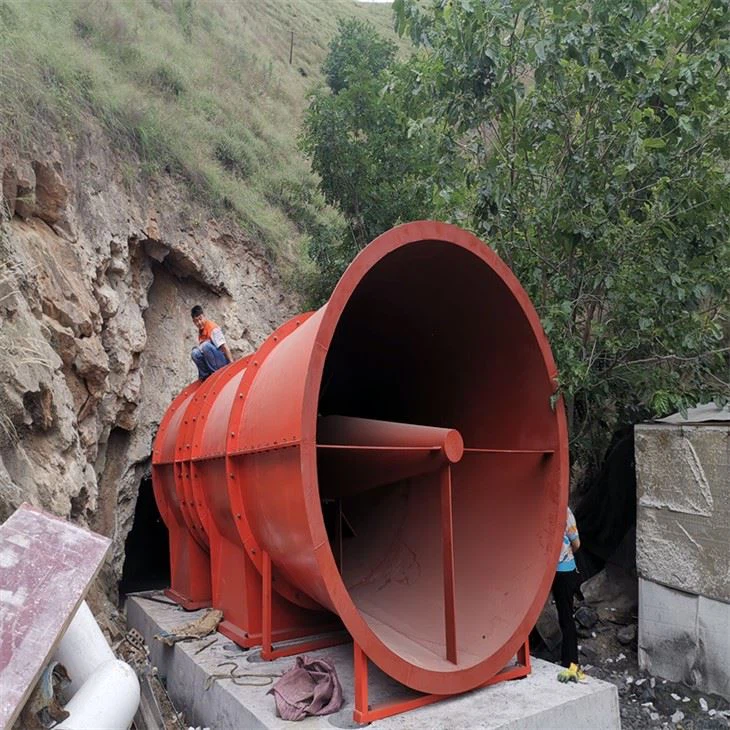
Low - Pressure Roof Axial Flow Fans
Low - pressure roof axial flow fans are like the easy - going cousins in the fan family. They're designed to move a large volume of air at a relatively low pressure. Think of them as the gentle breeze on a sunny day.
How They Work
These fans usually have larger blades and lower rotational speeds. The big blades help to scoop up a lot of air, and the slower speed means they don't create a whole lot of pressure. They're great for applications where you just need to move air around without having to push it through any obstacles.
Ideal Applications
One of the most common places you'll find low - pressure fans is in residential buildings. They're perfect for attics, where they can help to remove hot, humid air and prevent mold growth. They're also used in small commercial spaces like shops and cafes. For example, in a small coffee shop, a low - pressure fan can keep the air fresh and comfortable for customers. If you're looking for a low - pressure roof axial flow fan for your small space, you can check out our Exhaust Fan Roof Air Vent Fan Manufacturer.
Advantages
The main advantage of low - pressure fans is their energy efficiency. Since they don't have to work as hard to move air, they use less electricity. They're also quieter than high - pressure fans, which is a big plus in residential and small commercial settings. And because they have fewer moving parts working under high stress, they tend to have a longer lifespan with less maintenance.
High - Pressure Roof Axial Flow Fans
High - pressure roof axial flow fans are the powerhouses of the fan world. They're built to push air through ducts, filters, and other obstacles at a high pressure. It's like a strong gust of wind pushing through a narrow alley.
How They Work
These fans have smaller blades but higher rotational speeds. The smaller blades are more aerodynamic, and the high speed allows them to generate a lot of pressure. This pressure is what enables them to force air through complex ventilation systems.
Ideal Applications
High - pressure fans are commonly used in industrial settings. Factories, warehouses, and large commercial buildings often need to move air through long ducts and around various equipment. For example, in a factory, a high - pressure fan can be used to extract fumes from the production area and send them outside. We offer a great option for industrial settings with our Industrial Roof Ventilation Fan | Mushroom Air Extractor for Factories.
Advantages
The biggest advantage of high - pressure fans is their ability to overcome resistance. They can push air through long and complex ductwork, which is essential in large - scale ventilation systems. They're also very effective at removing contaminants from the air, as they can force air through filters at a high rate.
Key Differences
Now that we've looked at both types of fans, let's summarize the key differences.
Airflow and Pressure
The most obvious difference is the amount of pressure they can generate. Low - pressure fans are all about moving a large volume of air with minimal pressure, while high - pressure fans focus on creating a high pressure to move air through obstacles.
Blade Design and Speed
As mentioned earlier, low - pressure fans have larger blades and lower rotational speeds, while high - pressure fans have smaller blades and higher speeds. This difference in design is what allows each type of fan to perform its specific function.
Energy Consumption
Low - pressure fans generally consume less energy because they don't have to work as hard. High - pressure fans, on the other hand, use more energy due to their high - speed operation. However, in industrial applications where their high - pressure capabilities are necessary, the energy cost is often justified by the performance.
Noise Level
Low - pressure fans are quieter because they operate at lower speeds and don't generate as much turbulence. High - pressure fans can be quite noisy, especially when they're running at full speed. In industrial settings, noise may not be as much of a concern, but in residential or quiet commercial areas, it can be a drawback.
Choosing the Right Fan
So, how do you choose between a high - pressure and a low - pressure roof axial flow fan? It all comes down to your specific needs.
Consider Your Application
If you're dealing with a small space like a home attic or a small shop, a low - pressure fan is probably the way to go. It'll keep the air moving without using too much energy or making a lot of noise. But if you're working in an industrial environment with long ductwork and a need to remove contaminants, a high - pressure fan is essential.
Evaluate Your System
Think about the ventilation system you have or plan to install. If there are a lot of filters, bends in the ducts, or other obstacles, a high - pressure fan will be able to overcome these challenges. If your system is simple and straightforward, a low - pressure fan should be sufficient.
Budget and Energy Costs
Your budget and long - term energy costs are also important factors. Low - pressure fans are generally cheaper to buy and operate, but if your application requires a high - pressure fan, the initial investment may be worth it in the long run.
Our Booster Fan Option
If you're in a situation where you need to boost the pressure in your ventilation system, we also offer Booster Fan Duct Booster Fan. This can be a great solution if you have an existing low - pressure system but need a little extra push to get air through certain areas.
Conclusion
In conclusion, both high - pressure and low - pressure roof axial flow fans have their own unique advantages and applications. As a supplier, we understand the importance of choosing the right fan for your specific needs. Whether you need a gentle breeze to keep your home fresh or a powerful gust to ventilate an industrial facility, we've got you covered.
If you're interested in learning more about our roof axial flow fans or are ready to make a purchase, don't hesitate to reach out. We're here to help you find the perfect fan for your ventilation needs and get the best value for your money. Let's start a conversation about your project today!
References
- Fan Engineering Handbook
- Industrial Ventilation: A Manual of Recommended Practice