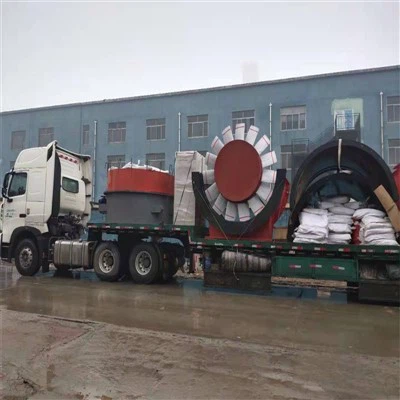
Yo, fellow industry peeps! As a supplier of Material Conveying Fans, I've seen my fair share of belts going kaput in these fans. Today, I'm gonna spill the beans on the signs of a worn-out belt in a belt-drive Material Conveying Fan.
Visible Wear and Tear
First off, let's talk about the most obvious sign – visible wear on the belt. You know, when you take a good look at the belt and it just doesn't look right. Cracks are a major red flag. These can start off small, like little hairline fractures, but if you ignore them, they'll keep growing. And once the cracks get big enough, the belt's gonna snap on you. That's when you're gonna have some serious downtime on your hands.
Another thing to look out for is fraying. The edges of the belt might start to look all ragged, like it's been chewed on by a bunch of little critters. This is usually a sign that the belt's been under a lot of stress. Maybe it's been running too tight or there's been some misalignment in the pulleys. Either way, fraying is a sign that the belt's on its last legs.
And then there's glazing. This is when the surface of the belt gets all shiny and smooth. It might look okay at first, but it's actually a bad sign. Glazing happens when the belt's been slipping a lot. The friction from the slipping causes the rubber on the belt to heat up and harden, creating that shiny surface. Once a belt's glazed, it's not gonna grip the pulleys as well, which means it's gonna be less efficient and more likely to break.
Noise and Vibration
If your Material Conveying Fan starts making strange noises, it could be a sign that the belt's worn out. A squealing noise is a classic sign of a slipping belt. It's like the belt's screaming for help. This usually happens when the belt's too loose or there's not enough tension on it. You might also hear a rattling or banging noise. This could be a sign that the belt's loose and is hitting against the pulleys or other parts of the fan.
Vibration is another telltale sign. If you notice that the fan's vibrating more than usual, it could be because the belt's not running smoothly. Maybe there's a problem with the alignment of the pulleys or the belt's got some uneven wear. Excessive vibration can not only damage the belt but also other parts of the fan, like the bearings and the motor. So, it's important to address this issue as soon as possible.
Reduced Performance
A worn-out belt can also have a big impact on the performance of your Material Conveying Fan. If you notice that the fan's not moving as much air as it used to, it could be because the belt's slipping. This means that the power from the motor isn't being transferred efficiently to the fan blades. As a result, the fan's not able to generate as much airflow.
You might also notice that the fan's using more energy than usual. This is because the motor has to work harder to compensate for the slipping belt. So, if your energy bills are going up and you can't figure out why, it could be because of a worn-out belt.


Belt Slippage
Belt slippage is one of the most common problems with worn-out belts. It happens when the belt loses its grip on the pulleys. This can be caused by a number of things, like a loose belt, dirty pulleys, or excessive heat. When the belt slips, it not only reduces the performance of the fan but also causes more wear and tear on the belt.
You can usually tell if the belt's slipping by looking at the pulleys. If you see that the belt's leaving a mark on the pulleys or if the pulleys are spinning faster than the belt, then you've got a slipping problem. And if you feel the belt while the fan's running, it might be hot to the touch. This is because the friction from the slipping is generating a lot of heat.
What to Do If You Notice These Signs
If you notice any of these signs of a worn-out belt in your Material Conveying Fan, it's important to take action right away. The first thing you should do is check the tension of the belt. You can use a belt tension gauge to make sure the belt's got the right amount of tension. If the belt's too loose, you can tighten it up. But be careful not to over-tighten it, as this can cause other problems.
Next, check the alignment of the pulleys. Make sure they're all in line and that there's no misalignment. You can use a laser alignment tool to make this process easier. If the pulleys are misaligned, you'll need to adjust them so that the belt runs smoothly.
If the belt's already got a lot of wear and tear, it's probably time to replace it. Don't try to patch up a worn-out belt. It's just not worth the risk. A new belt will not only improve the performance of your fan but also reduce the risk of breakdowns.
Our Products Can Help
At our company, we've got a great range of Material Conveying Fans that are built to last. We also offer high-quality belts that are designed to handle the tough conditions of industrial applications. If you're in the market for a new fan or just need to replace a worn-out belt, we've got you covered.
Check out our High-Performance Middle-Pressure Centrifugal Blowers for Industrial Ventilation-Zhi Feng. These blowers are perfect for all kinds of industrial ventilation needs. They're powerful, efficient, and reliable.
And if you're looking for a fan that can handle ventilation and draft control, take a look at our Mastering Ventilation and Draft Control with Centrifugal Induced Draft Fans. These fans are designed to provide precise control over airflow, making them ideal for a variety of applications.
We also have a great selection of Building Fire Smoke Exhaust Fan. These fans are essential for keeping buildings safe in the event of a fire. They're built to withstand high temperatures and provide reliable smoke extraction.
If you're interested in our products or have any questions, don't hesitate to reach out. We're always happy to help you find the right solution for your needs. Whether you're a small business or a large industrial operation, we've got the expertise and the products to keep your Material Conveying Fans running smoothly.
References
- "Industrial Fan Handbook" by David J. Dellenback
- "Belt Drives: Selection, Installation, and Maintenance" by Gates Corporation