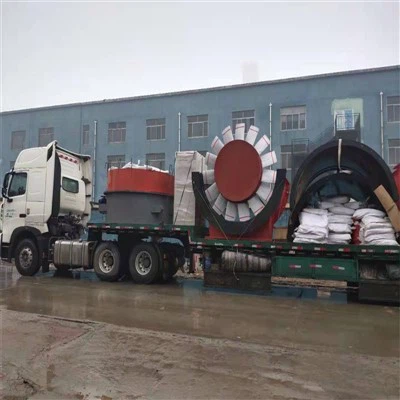
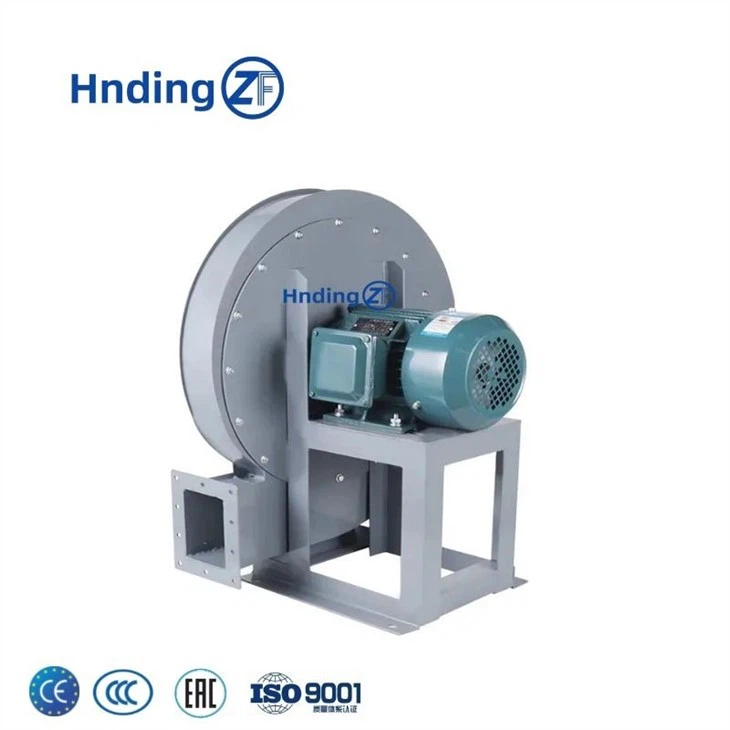
As a supplier of Grain Conveying Fans, I've witnessed firsthand the widespread use of these devices in various industries, from agriculture to food processing. While they play a crucial role in transporting grains efficiently, it's essential to understand their environmental impacts. In this blog post, I'll delve into the positive and negative environmental effects of using a grain conveying fan and discuss ways to mitigate the negative impacts.
Positive Environmental Impacts
Energy Efficiency
Modern grain conveying fans are designed to be highly energy - efficient. Advances in fan technology, such as the use of aerodynamic blades and variable speed drives, have significantly reduced the amount of energy required to operate these fans. For instance, our 22 kW Industrial Turbo Blower – Low Noise is engineered to provide maximum airflow with minimal power consumption. By using less energy, these fans help reduce the overall carbon footprint associated with grain handling operations.
Reduced Manual Labor
Grain conveying fans eliminate the need for extensive manual labor in moving grains from one location to another. This not only increases productivity but also reduces the environmental impact associated with human - powered grain handling. For example, in large - scale grain storage facilities, manual grain transfer would require a significant amount of human effort, which may involve the use of additional equipment and energy for transportation and accommodation of workers. With grain conveying fans, the process is automated, leading to a more streamlined and environmentally friendly operation.
Improved Grain Quality
Proper ventilation provided by grain conveying fans helps maintain the quality of grains during storage and transportation. By circulating air through the grain mass, these fans can prevent the growth of mold and fungi, which often require high - humidity environments. This reduces the need for chemical treatments to preserve the grains, thus minimizing the release of potentially harmful chemicals into the environment.

Negative Environmental Impacts
Energy Consumption
Despite the improvements in energy efficiency, grain conveying fans still consume a considerable amount of electricity. In regions where the electricity is generated from fossil fuels, such as coal or natural gas, the operation of these fans contributes to greenhouse gas emissions. For example, a large - scale grain processing plant with multiple grain conveying fans can have a significant energy demand, which translates into a substantial carbon footprint.
Noise Pollution
Grain conveying fans can generate significant noise levels during operation. This noise can be a nuisance to nearby residents and wildlife. High - intensity noise can disrupt the natural behavior of animals, such as birds and mammals, and may also cause stress - related health problems in humans. Our Mining Machine 5 Fan is designed to operate with relatively low noise, but in large - scale operations with multiple fans, noise can still be a concern.
Dust Emissions
During the process of grain conveying, fans can cause dust emissions. These dust particles can contain allergens, pesticides, and other harmful substances. When inhaled, they can pose a health risk to workers and nearby communities. Moreover, the dust can settle on vegetation and soil, affecting plant growth and soil quality. Our 4 - 72 Flue Gas Dust Removal Circulating Fan is equipped with dust - removal features to reduce these emissions, but complete elimination is often challenging.
Mitigation Strategies
Renewable Energy Sources
One of the most effective ways to reduce the environmental impact of grain conveying fans is to power them with renewable energy sources. Solar panels or wind turbines can be installed at grain handling facilities to generate electricity for the fans. This not only reduces greenhouse gas emissions but also provides a more sustainable and cost - effective energy solution in the long run.
Noise Reduction Measures
To mitigate noise pollution, sound - absorbing materials can be used in the construction of fan enclosures. Additionally, fans can be installed in locations that are far from residential areas or wildlife habitats. Regular maintenance of the fans, such as lubricating moving parts and tightening loose components, can also help reduce noise levels.
Dust Control Systems
Advanced dust control systems can be integrated with grain conveying fans to minimize dust emissions. These systems can include filters, cyclones, and baghouses, which capture dust particles before they are released into the atmosphere. By investing in these technologies, grain handling facilities can ensure a cleaner and healthier working environment.
Conclusion
Grain conveying fans have both positive and negative environmental impacts. While they offer benefits such as energy efficiency, reduced manual labor, and improved grain quality, they also contribute to energy consumption, noise pollution, and dust emissions. As a supplier of Grain Conveying Fans, we are committed to developing and promoting products that minimize the negative environmental impacts. We believe that by implementing the mitigation strategies mentioned above, the environmental footprint of grain handling operations can be significantly reduced.
If you are interested in learning more about our grain conveying fans or would like to discuss how we can help you reduce the environmental impact of your grain handling operations, please feel free to reach out for a procurement negotiation. We look forward to working with you to create a more sustainable future for the grain industry.
References
- ASHRAE Handbook of Fundamentals. American Society of Heating, Refrigerating and Air - Conditioning Engineers.
- Environmental Protection Agency (EPA) reports on industrial energy consumption and pollution control.
- Research papers on grain handling and storage technologies from agricultural engineering journals.