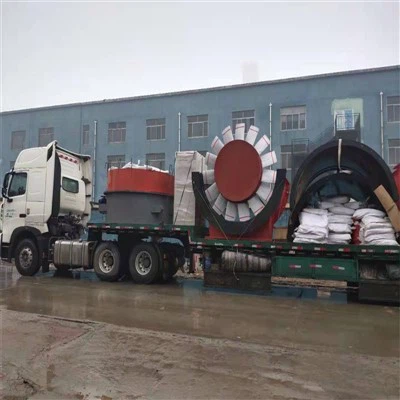
As a seasoned supplier of Material Conveying Fans, I've witnessed firsthand the diverse needs of industries relying on these essential pieces of equipment. One of the most common questions I encounter is about the differences between constant - speed and variable - speed Material Conveying Fans. In this blog, I'll delve into the intricacies of these two types of fans, exploring their characteristics, advantages, and ideal applications.
1. Basic Principles
Constant - Speed Material Conveying Fans
Constant - speed fans operate at a fixed rotational speed, typically determined by the motor's design and the power supply frequency. Once the fan is started, it runs at a consistent speed, delivering a relatively stable volume of air or material. These fans are usually driven by an AC motor with a fixed number of poles, and their speed is mainly limited by the electrical supply frequency (e.g., 50Hz or 60Hz in most regions).
For example, a basic constant - speed fan in a small - scale material handling system might be set to run at 1500 RPM continuously. This fixed speed ensures a predictable flow rate of the conveyed material, which can be beneficial in applications where a steady output is required.
Variable - Speed Material Conveying Fans
In contrast, variable - speed fans can adjust their rotational speed according to the system's requirements. This is achieved through advanced motor control technologies, such as variable frequency drives (VFDs). A VFD can change the frequency of the electrical power supplied to the motor, thereby altering the motor's speed.
Let's say in a large - scale industrial material conveying process, the demand for material flow varies throughout the day. A variable - speed fan can slow down during periods of low demand and speed up when there is a sudden increase in the need for material transportation.
2. Energy Efficiency
Constant - Speed Fans
Constant - speed fans are generally less energy - efficient, especially when the system's demand fluctuates. Since they run at a fixed speed, they consume a constant amount of power regardless of whether the full capacity is needed. In situations where the material conveying requirements are lower than the fan's maximum capacity, a significant amount of energy is wasted.
For instance, in a factory where the material flow is reduced during off - peak hours, a constant - speed fan will still operate at its full - speed setting, consuming the same amount of electricity as during peak production times. This inefficiency not only leads to higher energy costs but also has a negative impact on the environment.
Variable - Speed Fans
Variable - speed fans offer superior energy efficiency. By adjusting the speed to match the actual demand, they can significantly reduce energy consumption. When the material conveying requirements are low, the fan can run at a lower speed, using less power.
Research has shown that in some applications, variable - speed fans can save up to 30 - 50% of energy compared to constant - speed fans. This energy savings translates into substantial cost savings over the long term, making variable - speed fans an attractive option for businesses looking to reduce their operating expenses.
3. Performance Flexibility
Constant - Speed Fans
Constant - speed fans provide a consistent performance level. They are well - suited for applications where the material conveying requirements are relatively stable and do not change frequently. For example, in a simple grain conveying system where the flow rate of grains from a silo to a processing unit is constant, a constant - speed fan can ensure a smooth and uninterrupted material transfer.
However, their lack of flexibility can be a drawback in dynamic environments. If there is a sudden change in the material properties or the system's layout, a constant - speed fan may not be able to adapt quickly, leading to sub - optimal performance.
Variable - Speed Fans
Variable - speed fans offer excellent performance flexibility. They can easily adapt to changes in the material conveying system, such as variations in material density, humidity, or the length of the conveying path. For example, if the material being conveyed becomes more viscous, a variable - speed fan can increase its speed to maintain the desired flow rate.
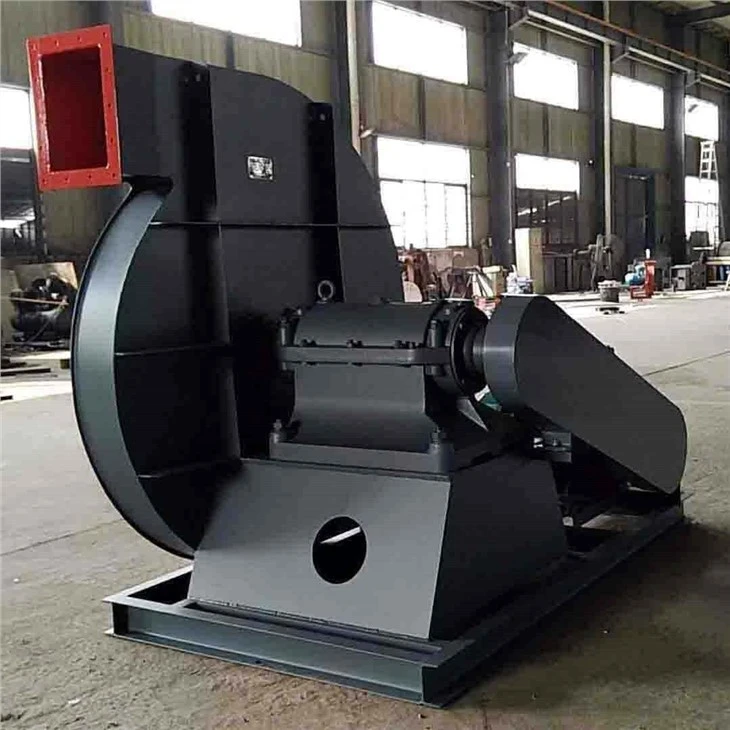

This flexibility also allows for better integration with other components of the material handling system. For instance, in a complex automated production line, a variable - speed fan can be coordinated with other equipment to ensure a synchronized and efficient operation.
4. Noise and Vibration
Constant - Speed Fans
Constant - speed fans tend to generate more noise and vibration, especially when operating at high speeds. The fixed - speed operation can cause the fan blades to produce a consistent, often loud, noise level. The vibration generated by the fan can also be a problem, potentially causing damage to the surrounding equipment and affecting the overall stability of the system.
In a warehouse where a constant - speed fan is used for material conveying, the continuous noise can be a nuisance to the workers, and the vibration may loosen the connections of the conveying pipes over time.
Variable - Speed Fans
Variable - speed fans generally produce less noise and vibration. When operating at lower speeds, the noise level is significantly reduced, creating a more comfortable working environment. The ability to adjust the speed also allows for smoother operation, minimizing vibration.
For example, in a pharmaceutical manufacturing facility where noise and vibration can interfere with sensitive production processes, a variable - speed fan can be a better choice as it can operate quietly and with minimal vibration.
5. Initial Cost and Maintenance
Constant - Speed Fans
Constant - speed fans typically have a lower initial cost. They are simpler in design and do not require advanced control systems like VFDs. This makes them an attractive option for businesses with a limited budget or for applications where cost is a major concern.
However, the long - term maintenance costs of constant - speed fans can be relatively high. Due to their continuous high - speed operation, the wear and tear on the fan components, such as the bearings and blades, are more severe. This may result in more frequent maintenance and replacement of parts, increasing the overall cost of ownership.
Variable - Speed Fans
Variable - speed fans have a higher initial cost due to the additional cost of the VFD and other control components. However, the long - term cost savings from energy efficiency and reduced maintenance can offset the initial investment. The ability to operate at lower speeds reduces the stress on the fan components, leading to less wear and tear and longer service life.
In addition, modern VFDs are designed to be highly reliable, with built - in diagnostic features that can detect and alert operators to potential problems before they cause major failures. This proactive maintenance approach can further reduce the overall maintenance costs.
6. Ideal Applications
Constant - Speed Fans
Constant - speed fans are ideal for applications with stable material conveying requirements. Some common examples include:
- Small - scale material handling systems in workshops where the material flow is consistent.
- Simple ventilation systems in buildings where a constant air supply is needed.
- Conveying systems in industries with low - cost operations and stable production processes.
Variable - Speed Fans
Variable - speed fans are better suited for applications with variable material conveying requirements. These include:
- Large - scale industrial plants where the production volume varies throughout the day.
- Material handling systems in industries where the material properties change frequently, such as the chemical industry.
- HVAC systems in commercial buildings where the air - flow requirements need to be adjusted based on the occupancy and environmental conditions.
Conclusion
In summary, both constant - speed and variable - speed Material Conveying Fans have their own advantages and disadvantages. Constant - speed fans are simple, have a lower initial cost, and are suitable for stable applications. On the other hand, variable - speed fans offer superior energy efficiency, performance flexibility, and lower long - term maintenance costs, making them a better choice for most modern industrial applications.
If you are in the market for a Material Conveying Fan and are unsure which type is right for your needs, our team of experts is here to help. We can assess your specific requirements and recommend the most suitable fan solution. Whether you are interested in a Building Fire Smoke Exhaust Fan, want to Mastering Ventilation and Draft Control with Centrifugal Induced Draft Fans, or Experience Centrifugal Fan For Your HVAC System, we have a wide range of products to meet your needs.
Contact us today to start a discussion about your material conveying requirements and explore the best fan options for your business. We look forward to helping you make an informed decision and providing you with high - quality Material Conveying Fans.
References
- ASHRAE Handbook - HVAC Systems and Equipment. American Society of Heating, Refrigerating and Air - Conditioning Engineers.
- Fan Engineering: A Practical Guide. Buffalo Forge Company.
- Energy - Efficient Fan Systems: A Guidebook for Industry. United States Department of Energy.