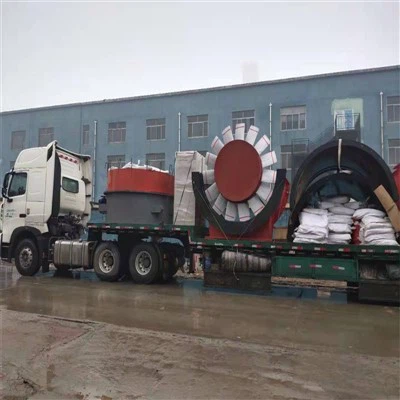
As a trusted supplier of mine ventilation blowers, I understand the critical importance of transporting these large and complex pieces of equipment safely. Mine ventilation blowers are not only heavy and bulky but also highly sophisticated, requiring careful handling to ensure they reach their destination undamaged and ready for immediate installation. In this blog post, I will share some essential tips and best practices to help you transport a mine ventilation blower safely.
Pre-Transport Preparation
1. Assessment and Planning
Before any transportation takes place, it is crucial to conduct a thorough assessment of the blower and the transportation route. Consider the following factors:


- Blower Dimensions and Weight: Obtain accurate measurements and weight specifications of the blower. This information will help you choose the appropriate transportation equipment and ensure compliance with local weight and size restrictions.
- Route Conditions: Evaluate the transportation route, including road conditions, bridges, tunnels, and any potential obstacles. Identify any areas that may require special attention or alternative routes.
- Permits and Regulations: Check with local authorities to determine if any permits are required for transporting the blower. Familiarize yourself with all relevant transportation regulations, including safety requirements and load securement guidelines.
2. Packaging and Protection
Proper packaging and protection are essential to prevent damage during transportation. Here are some key steps to take:
- Disassembly (if necessary): If the blower is too large or bulky to transport as a whole, consider disassembling it into smaller components. Make sure to label each component clearly and keep all parts organized.
- Custom Packaging: Use custom-designed packaging materials to protect the blower from impacts, vibrations, and environmental factors. Foam padding, wooden crates, and shrink wrap can provide excellent protection.
- Securing Components: Secure all loose components within the packaging to prevent shifting during transportation. Use straps, bolts, or other appropriate fasteners to ensure stability.
3. Documentation
Maintain detailed documentation throughout the transportation process. This includes:
- Bill of Lading: Provide a detailed bill of lading that includes the blower's specifications, quantity, and destination. This document serves as a legal record of the shipment and helps ensure proper handling and delivery.
- Installation Manuals and Diagrams: Pack installation manuals, diagrams, and other relevant documentation with the blower. This will be essential for the installation team at the destination.
- Insurance Coverage: Obtain adequate insurance coverage for the transportation of the blower. This will protect you against any potential losses or damages during transit.
Transportation Equipment Selection
1. Trucks and Trailers
Choose the right truck and trailer combination based on the size, weight, and dimensions of the blower. Consider the following factors:
- Capacity: Ensure that the truck and trailer have sufficient weight and volume capacity to accommodate the blower safely.
- Suspension System: Opt for a truck with a well-designed suspension system to minimize vibrations and shocks during transportation.
- Trailer Type: Depending on the blower's size and shape, you may need a flatbed trailer, lowboy trailer, or specialized equipment trailer.
2. Lifting and Loading Equipment
Use appropriate lifting and loading equipment to safely transfer the blower onto the truck or trailer. This may include:
- Cranes: For large and heavy blowers, a crane may be required to lift and position the equipment onto the trailer.
- Forklifts: Forklifts can be used to move smaller blowers or components within the warehouse or loading area.
- Loading Ramps: Loading ramps provide a safe and efficient way to load the blower onto the trailer. Make sure the ramps are properly secured and rated for the weight of the equipment.
Loading and Securing the Blower
1. Loading Procedures
Follow these steps to ensure safe loading of the blower:
- Positioning: Carefully position the blower on the trailer to distribute the weight evenly. Use blocking and bracing to prevent the blower from shifting during transportation.
- Lifting and Lowering: Use the appropriate lifting equipment to lift the blower onto the trailer. Lower the blower slowly and carefully to avoid any sudden movements or impacts.
- Alignment: Ensure that the blower is properly aligned with the trailer's mounting points. This will help prevent damage to the equipment and ensure a secure fit.
2. Securing the Blower
Properly securing the blower is crucial to prevent it from moving or shifting during transportation. Use the following methods:
- Straps and Chains: Use high-quality straps and chains to secure the blower to the trailer. Make sure the straps and chains are tightened properly and have enough tension to prevent movement.
- Blocking and Bracing: Use wooden blocks and braces to support the blower and prevent it from tipping or swaying. Place the blocks and braces at strategic points to distribute the weight evenly.
- Anti-Vibration Pads: Consider using anti-vibration pads between the blower and the trailer to reduce vibrations and shocks during transportation.
Transportation and Monitoring
1. Route Planning and Navigation
Plan the transportation route carefully to avoid any potential hazards or obstacles. Use GPS navigation systems or mapping software to determine the best route and provide real-time traffic updates.
2. Driver Training and Safety
Ensure that the driver is properly trained and experienced in transporting large and heavy equipment. Provide the driver with detailed instructions on how to handle the blower safely, including loading, unloading, and securing procedures.
3. Monitoring and Communication
Establish a system for monitoring the transportation of the blower. This may include using GPS tracking devices to track the location of the truck and trailer in real-time. Maintain regular communication with the driver to ensure that the transportation is proceeding smoothly.
Unloading and Installation
1. Unloading Procedures
Follow the same safety procedures when unloading the blower as you did when loading it. Use the appropriate lifting and loading equipment to carefully remove the blower from the trailer and place it in its intended location.
2. Installation and Commissioning
Once the blower is unloaded, it is essential to have it installed and commissioned by a qualified professional. Follow the manufacturer's installation instructions and guidelines to ensure proper installation and operation of the blower.
Conclusion
Transporting a mine ventilation blower safely requires careful planning, preparation, and execution. By following the tips and best practices outlined in this blog post, you can minimize the risk of damage to the equipment and ensure its safe delivery to the destination. At [Supplier Name], we are committed to providing high-quality mine ventilation blowers and comprehensive support services to our customers. If you have any questions or need assistance with transporting a mine ventilation blower, please do not hesitate to [Contact Method].
References
- "Transportation of Heavy Equipment: Best Practices and Safety Guidelines." Occupational Safety and Health Administration (OSHA).
- "Guide to Safe Loading and Securing of Cargo." Federal Motor Carrier Safety Administration (FMCSA).
- "Mine Ventilation Handbook." Society for Mining, Metallurgy & Exploration (SME).