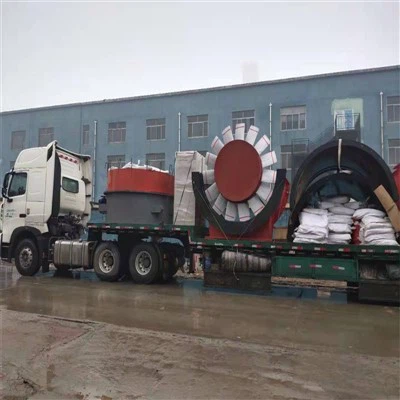
Hey there! As a supplier of FRP Axial Flow Fans, I've had my fair share of experiences in this industry. Over the years, I've seen how crucial it is for these fans to perform at their best. Whether it's for industrial ventilation, exhaust systems, or any other application, a well - performing FRP Axial Flow Fan can make a world of difference. So, today, I'm gonna share some tips on how to improve the performance of these fans.
1. Proper Installation
First things first, installation plays a huge role in the performance of an FRP Axial Flow Fan. Make sure the fan is installed in a location where there's enough space around it. This allows for proper air intake and exhaust. If the fan is cramped in a small area, it can restrict the airflow, reducing its efficiency.
Also, ensure that the fan is mounted securely. A wobbly or loose fan can cause vibrations, which not only affect the performance but can also lead to premature wear and tear. Use the right mounting hardware and follow the manufacturer's installation instructions carefully. For example, if you're installing a Ducted flue gas exhaust fan Fire fan, it's important to connect the ducts properly to avoid any air leaks.
2. Regular Maintenance
Maintenance is key to keeping your FRP Axial Flow Fan running smoothly. One of the simplest yet most effective maintenance tasks is cleaning. Over time, dust, dirt, and debris can accumulate on the fan blades and in the housing. This buildup can increase the weight of the blades and disrupt the airflow pattern.
Use a soft brush or compressed air to clean the fan blades and the interior of the housing regularly. Check the motor bearings as well. Lubricate them if necessary, following the manufacturer's recommendations. If you notice any signs of wear or damage, such as cracks in the blades or unusual noises from the motor, address them immediately. Ignoring these issues can lead to more serious problems down the road.
3. Optimize the Fan Speed
The speed of the FRP Axial Flow Fan can significantly impact its performance. In some cases, running the fan at a lower speed may be sufficient to meet your ventilation needs. This not only saves energy but also reduces wear on the motor and other components.


However, if you need more airflow, you can increase the fan speed. But be careful not to over - speed the fan, as this can cause excessive noise, vibrations, and even damage to the fan. Many modern FRP Axial Flow Fans come with variable speed controls, which allow you to adjust the speed according to your specific requirements.
4. Upgrade the Fan Blades
If you're looking for a more significant improvement in performance, consider upgrading the fan blades. High - performance fan blades are designed to move more air with less energy consumption. They are often made from advanced materials that are lighter and more durable.
For example, some blades are made from composite materials that can withstand harsh environments, such as corrosive chemicals or high temperatures. Upgrading the blades can also reduce noise levels, making the fan more suitable for applications where noise is a concern.
5. Improve the Airflow Path
The airflow path leading to and from the fan can have a big impact on its performance. Remove any obstacles that may be blocking the airflow. This could include debris, pipes, or other equipment.
If possible, design the ventilation system to have smooth bends and transitions. Sharp bends in the ducts can cause turbulence, which reduces the efficiency of the fan. Use ductwork that is the right size for the fan. A duct that is too small can restrict the airflow, while a duct that is too large can lead to inefficient air distribution.
6. Monitor and Control the Fan
Install sensors and monitoring devices to keep track of the fan's performance. These sensors can measure parameters such as airflow, temperature, and pressure. By monitoring these values, you can detect any issues early on and take corrective actions.
You can also use control systems to automate the operation of the FRP Axial Flow Fan. For example, you can set up a system that turns the fan on and off based on the temperature or humidity levels in the room. This ensures that the fan is only running when it's needed, saving energy and reducing operating costs.
7. Match the Fan to the Application
It's essential to choose the right FRP Axial Flow Fan for your specific application. Consider factors such as the required airflow rate, static pressure, and the environment in which the fan will operate.
If you're dealing with a corrosive environment, such as a chemical plant, choose a fan that is made from corrosion - resistant materials. For applications that require high - volume airflow, select a fan with a larger diameter and higher capacity. For instance, if you need a fan for a large industrial space, a Drum Blower Fan 14"/ 16" / 20" and 1400/ 2800 Rpm might be a suitable choice.
8. Consider the System Design
The overall design of the ventilation system can affect the performance of the FRP Axial Flow Fan. A well - designed system takes into account factors such as the layout of the space, the number of air inlets and outlets, and the interaction between different fans and ventilation components.
For example, if you have multiple fans in a system, make sure they are arranged in a way that they work together effectively. Avoid situations where the airflow from one fan interferes with the airflow from another.
9. Use Energy - Efficient Motors
The motor is the heart of the FRP Axial Flow Fan, and using an energy - efficient motor can significantly improve its performance. Energy - efficient motors consume less electricity while providing the same or even better performance.
Look for motors with high - efficiency ratings, such as those that meet the latest energy - saving standards. These motors are often more expensive upfront, but they can save you a lot of money in the long run through reduced energy costs.
10. Train Your Staff
Finally, make sure your staff is trained on how to operate and maintain the FRP Axial Flow Fan properly. They should know how to start and stop the fan, adjust the speed if necessary, and perform basic maintenance tasks.
Proper training can help prevent misuse of the fan, which can lead to performance issues and damage. It also ensures that any potential problems are detected and reported early, allowing for timely repairs and maintenance.
In conclusion, improving the performance of an FRP Axial Flow Fan requires a combination of proper installation, regular maintenance, optimization of various factors, and the use of high - quality components. By following these tips, you can ensure that your fan operates at its best, providing efficient ventilation and exhaust for your industrial or commercial space.
If you're interested in purchasing high - quality FRP Axial Flow Fans or need more advice on improving their performance, don't hesitate to reach out. We're here to help you find the best solutions for your ventilation needs. Whether you need a Ducted flue gas exhaust fan Fire fan, a Enhance Your Industrial Environment with Smoke Exhaust Fans, or a Drum Blower Fan 14"/ 16" / 20" and 1400/ 2800 Rpm, we've got you covered.
References
- Fan Engineering Handbook, Various Editions
- Manufacturer's Manuals for FRP Axial Flow Fans
- Industry Reports on Ventilation System Performance