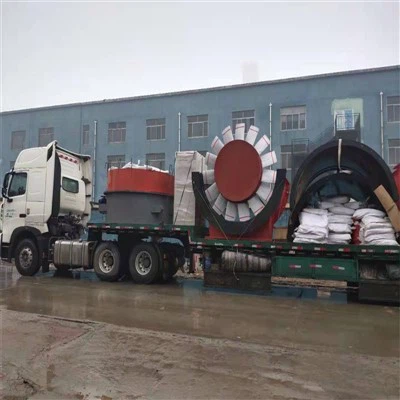
Hey there! As a tunnel fan supplier, I've seen firsthand how crucial it is to ensure the stability of tunnel fans during an earthquake. Earthquakes can be incredibly destructive, and in a tunnel environment, a malfunctioning fan can lead to all sorts of problems, from poor air quality to potential safety hazards. So, let's dive into how we can keep these fans running smoothly even when the ground starts shaking.
Understanding the Risks
First things first, we need to understand the risks that earthquakes pose to tunnel fans. When an earthquake hits, it generates seismic waves that can cause the ground to move in various directions - up and down, side to side. This movement can put a lot of stress on the fan structure and its components.
The vibrations from the earthquake can loosen bolts and connections, which might lead to misalignment of the fan blades. Misaligned blades can cause the fan to vibrate even more, and over time, this can lead to mechanical failure. Also, the strong forces can damage the electrical systems that power the fans, cutting off the power supply and rendering the fans useless.
Design and Construction
One of the key ways to ensure the stability of tunnel fans during an earthquake is through proper design and construction. When we're designing a tunnel fan, we take into account the seismic activity of the area where it will be installed. For example, in regions with high seismicity, we use more robust materials and stronger structural designs.


We reinforce the fan housing to withstand the forces generated by an earthquake. This might involve using thicker steel plates and adding additional support structures. The mounting system is also crucial. We use flexible mounts that can absorb some of the vibrations from the earthquake, reducing the stress on the fan itself.
Another important aspect is the selection of components. We choose high - quality bearings and motors that are designed to handle the extra stress. For instance, our DK Series Counter - Rotating Main Ventilator Fan is built with durable components that can better withstand seismic forces. The counter - rotating design also helps to balance the forces and reduce vibrations, which is especially important during an earthquake.
Installation and Maintenance
Proper installation is just as important as design. When installing the tunnel fan, we make sure that it is level and securely mounted. We follow strict installation guidelines to ensure that all the connections are tight and the fan is properly aligned. This not only helps with the normal operation of the fan but also makes it more resilient to earthquakes.
Regular maintenance is also essential. We recommend conducting routine inspections of the fan, checking for loose bolts, signs of wear and tear, and any damage to the electrical systems. During these inspections, we can tighten any loose connections and replace any worn - out parts before they cause problems.
For example, we might use vibration analysis to detect any abnormal vibrations in the fan. If we notice that the vibrations are increasing over time, it could be a sign of a problem, such as misaligned blades or a failing bearing. By catching these issues early, we can prevent more serious problems during an earthquake.
Seismic Monitoring Systems
In addition to design, installation, and maintenance, we can also use seismic monitoring systems. These systems can detect the onset of an earthquake and provide early warnings. When an earthquake is detected, the system can trigger certain actions to protect the tunnel fan.
For example, it can automatically shut down the fan to prevent further damage in case of a severe earthquake. Some advanced systems can also adjust the fan speed based on the intensity of the seismic activity. If the earthquake is relatively mild, the fan might continue to operate at a reduced speed, ensuring that there is still some air circulation in the tunnel.
Testing and Certification
Before we supply a tunnel fan to a customer, we subject it to rigorous testing. We simulate earthquake conditions in our testing facilities to see how the fan performs under different levels of seismic activity. This helps us to identify any potential weaknesses in the design and make necessary improvements.
We also seek certifications from relevant authorities. These certifications indicate that our fans meet the required standards for seismic resistance. For customers, this provides peace of mind, knowing that the fans they are purchasing are designed to withstand earthquakes.
The Role of Different Types of Fans
Different types of fans have different characteristics when it comes to seismic stability. Take our Centrifugal Blower Fan for example. Centrifugal fans are generally more compact and have a sturdier structure compared to some other types of fans. This makes them relatively more resistant to seismic forces. The design of the centrifugal fan allows it to better handle the vibrations and forces generated by an earthquake.
On the other hand, axial fans, like the ones produced by our Exhaust Fan Roof Air Vent Fan Manufacturer, are often used for ventilation in tunnels. While they are efficient in moving large volumes of air, they can be more susceptible to misalignment during an earthquake due to their long and slender blades. However, with proper design and installation, we can minimize these risks.
Conclusion
Ensuring the stability of tunnel fans during an earthquake is a multi - faceted process. It involves proper design, construction, installation, maintenance, and the use of advanced monitoring systems. As a tunnel fan supplier, we're committed to providing our customers with fans that are not only efficient but also safe and reliable, even in the face of natural disasters like earthquakes.
If you're in the market for tunnel fans and want to ensure that they can withstand seismic activity, don't hesitate to reach out. We can provide you with more information about our products and how they can meet your specific needs. Let's work together to create a safer and more stable tunnel environment.
References
- Building Seismic Safety Council. (2020). NEHRP Recommended Seismic Provisions for New Buildings and Other Structures.
- International Electrotechnical Commission. (2019). IEC 60034 - 1: Rotating electrical machines - Part 1: Rating and performance.
- American Society of Mechanical Engineers. (2018). ASME B16.5: Pipe Flanges and Flanged Fittings.