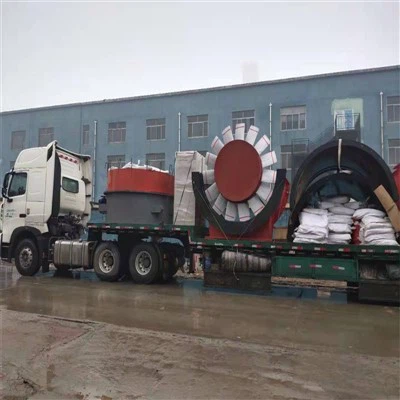
Hey there! As a supplier of Mine Ventilation Blowers, I've seen firsthand the importance of balancing ventilation in different mine areas. It's not just about keeping the air fresh; it's about ensuring the safety and efficiency of the entire mining operation. In this blog, I'll share some tips and insights on how to achieve that balance.
First off, let's talk about why balancing ventilation is so crucial. Mines are complex environments with various areas that have different ventilation requirements. For example, the working faces where miners are actively extracting minerals need a high volume of fresh air to dilute harmful gases like methane and dust. On the other hand, storage areas and inactive parts of the mine may require less ventilation. If the ventilation isn't balanced properly, you could end up with areas that are either under - ventilated, putting miners at risk, or over - ventilated, which wastes energy and resources.
One of the key tools in achieving ventilation balance is, of course, the mine ventilation blower. These powerful machines are designed to move large volumes of air through the mine shafts and tunnels. There are different types of blowers available, each with its own set of features and benefits.
The Counter Rotating Mining Fan is a great option for many mines. This type of fan uses two sets of blades rotating in opposite directions. The counter - rotating design allows for higher pressure and greater airflow efficiency. It can effectively push air through long and complex mine passages, making it suitable for both main ventilation and local ventilation in large mine areas.
Another type is the Exhaust Fan for Mining. These fans are mainly used to remove stale air, dust, and gases from the mine. They are often installed at the exit points of the mine shafts to create a negative pressure that draws the contaminated air out. By controlling the speed and capacity of these exhaust fans, you can adjust the overall ventilation rate in different areas of the mine.
The MiningFan 120mm 7500rpm s19 is a more compact and high - speed option. It's ideal for providing local ventilation in smaller, confined areas of the mine, such as in the vicinity of drilling operations or in narrow tunnels. Its high rotational speed allows it to quickly move air in these specific areas, ensuring that the miners working there have a safe and breathable environment.
Now, let's get into the practical steps of balancing ventilation in different mine areas.
Step 1: Conduct a Thorough Mine Survey
Before you can start balancing the ventilation, you need to have a clear understanding of the mine's layout, the location of different working areas, and the existing ventilation system. This involves using instruments to measure air pressure, airflow velocity, and the concentration of harmful gases in various parts of the mine. You should also note any changes in the mine's structure, such as new tunnels or working faces, as these can significantly affect the ventilation.
Step 2: Calculate Ventilation Requirements
Based on the results of the mine survey, you can calculate the ventilation requirements for each area. Consider factors like the number of miners working in the area, the type of mining activity, and the size of the space. For example, a large open - pit mine may require a different ventilation rate compared to an underground mine with narrow tunnels. Use industry standards and guidelines to determine the appropriate airflow volume and pressure for each area.
Step 3: Select the Right Blowers
Once you know the ventilation requirements, it's time to choose the right mine ventilation blowers. As I mentioned earlier, different types of blowers are suitable for different applications. You may need to use a combination of blowers to achieve the best results. For instance, you could use a large - scale counter - rotating fan for the main ventilation and smaller high - speed fans for local ventilation in specific areas.
Step 4: Install and Configure the Blowers
Proper installation is crucial for the effective operation of the blowers. Make sure they are installed in the right locations to ensure maximum airflow and pressure distribution. You also need to configure the blowers correctly, setting the appropriate speed and direction of rotation. This may require some trial and error, but with careful monitoring and adjustment, you can optimize the ventilation system.
Step 5: Monitor and Adjust Regularly
Ventilation in a mine is not a set - it - and - forget - it situation. The mining environment is constantly changing, with new areas being opened up and old ones being closed. Regularly monitor the air quality, airflow, and pressure in different parts of the mine. Use sensors and monitoring systems to collect data, and based on the results, make adjustments to the blower settings as needed.
Step 6: Train the Mine Staff
Last but not least, it's important to train the mine staff on the proper use and maintenance of the ventilation system. They should know how to recognize signs of ventilation problems, such as low air quality or unusual noise from the blowers. By having a well - trained workforce, you can ensure that the ventilation system is operating at its best and that any issues are addressed promptly.
In conclusion, balancing ventilation in different mine areas is a complex but essential task. With the right mine ventilation blowers and a systematic approach, you can create a safe and efficient working environment in the mine. If you're in the market for high - quality mine ventilation blowers, I'd love to have a chat with you. Whether you need a Counter Rotating Mining Fan, an Exhaust Fan for Mining, or the MiningFan 120mm 7500rpm s19, we've got you covered. Contact us to discuss your specific requirements and let's work together to optimize your mine's ventilation system.


References
- "Mine Ventilation Engineering" by A. K. Singh
- "Handbook of Mining Ventilation" edited by R. K. Singh