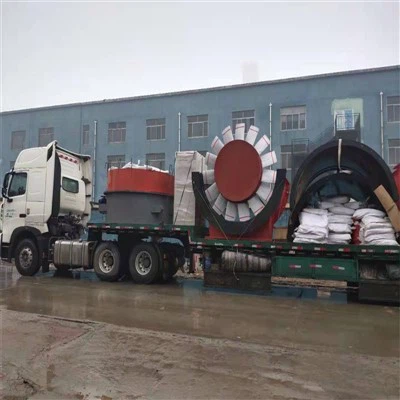
Balancing the impeller of a Material Conveying Fan is a critical process that significantly impacts the fan's performance, reliability, and longevity. As a reputable Material Conveying Fan supplier, I understand the importance of this procedure and am here to share some insights on how to achieve proper impeller balancing.
Why is Impeller Balancing Necessary?
The impeller is the heart of a Material Conveying Fan. When it rotates, any imbalance can lead to a series of problems. Unbalanced impellers cause excessive vibration, which not only reduces the efficiency of the fan but also puts additional stress on the bearings, shafts, and other components. This can result in premature wear and tear, increased maintenance costs, and even unexpected breakdowns. Moreover, excessive vibration can generate noise, which is not only a nuisance but may also violate workplace noise regulations. Therefore, balancing the impeller is essential to ensure smooth operation, extend the service life of the fan, and maintain a quiet working environment.


Understanding Impeller Imbalance
There are two main types of impeller imbalance: static imbalance and dynamic imbalance. Static imbalance occurs when the center of gravity of the impeller does not coincide with the axis of rotation. This can be visualized as a weight concentrated on one side of the impeller, causing it to tilt when placed on a horizontal axis. Dynamic imbalance, on the other hand, is more complex. It involves both the static imbalance and an additional couple imbalance, which means that the impeller has uneven distribution of mass along its length as well as around its circumference. Dynamic imbalance can only be detected and corrected when the impeller is rotating.
Tools and Equipment for Impeller Balancing
To balance an impeller, you will need several specialized tools and equipment. A balancing machine is the most important tool. It can measure the magnitude and location of the imbalance accurately. There are different types of balancing machines available, including hard-bearing and soft-bearing machines. Hard-bearing machines are more suitable for high-speed balancing, while soft-bearing machines are better for low-speed applications. In addition to the balancing machine, you will also need weights, a micrometer for measuring the impeller dimensions, and a cleaning agent to remove any dirt or debris from the impeller surface.
Step-by-Step Guide to Balancing the Impeller
Step 1: Preparation
Before starting the balancing process, it is crucial to ensure that the impeller is clean and free of any debris. Use a cleaning agent to remove dirt, dust, and grease from the impeller surface. This will ensure accurate measurement of the imbalance. Next, measure the impeller dimensions using a micrometer and record the values. These measurements will be used to calculate the required balance weights.
Step 2: Mounting the Impeller on the Balancing Machine
Carefully mount the impeller on the balancing machine according to the manufacturer's instructions. Make sure that the impeller is properly centered and secured to prevent any movement during the balancing process. Once the impeller is mounted, the balancing machine will spin it at a specific speed to measure the imbalance.
Step 3: Measuring the Imbalance
The balancing machine will display the magnitude and location of the imbalance. The magnitude indicates how much weight needs to be added or removed, and the location shows where the weight should be placed. In some cases, the imbalance may be within an acceptable tolerance range, and no further adjustment is required. However, if the imbalance exceeds the tolerance, you will need to proceed to the next step.
Step 4: Adding or Removing Weights
Based on the measurement results, add or remove weights from the impeller. If the imbalance is due to a lack of mass on a particular side, you can add small weights to that area. Conversely, if there is too much mass, you can remove material from the impeller using a grinding tool. It is important to make small adjustments and re-measure the imbalance after each adjustment to avoid over-correcting.
Step 5: Verification
After making the necessary adjustments, re-run the balancing machine to verify that the imbalance is within the acceptable tolerance range. If the imbalance is still outside the tolerance, repeat the process of adding or removing weights until the desired balance is achieved.
Tips for Effective Impeller Balancing
- Regular Maintenance: Regularly inspect and clean the impeller to prevent the buildup of dirt and debris, which can cause imbalance over time.
- Use High-Quality Components: When replacing impeller components, use high-quality parts to ensure proper balance and performance.
- Follow Manufacturer's Guidelines: Always follow the manufacturer's instructions when using the balancing machine and performing the balancing process.
- Train Your Staff: Provide proper training to your staff on impeller balancing techniques to ensure accurate and efficient balancing.
Our Product Recommendations
As a Material Conveying Fan supplier, we offer a wide range of high-quality fans that are designed to meet the diverse needs of our customers. Our 22 kW Industrial Turbo Blower – Low Noise is a great choice for applications where low noise and high efficiency are required. It features a backward-curved impeller design that reduces noise and vibration while providing excellent airflow.
If you are looking for a centrifugal fan for your HVAC system, our Experience Centrifugal Fan For Your HVAC System is an ideal option. It is designed to provide reliable and efficient performance in a variety of HVAC applications.
For industrial ventilation, our High-Performance Middle-Pressure Centrifugal Blowers for Industrial Ventilation-Zhi Feng are the perfect solution. They are capable of delivering high airflow and middle-pressure, making them suitable for a wide range of industrial ventilation applications.
Conclusion
Balancing the impeller of a Material Conveying Fan is a complex but essential process that requires proper tools, equipment, and techniques. By following the steps outlined in this blog and implementing the tips provided, you can ensure that your impeller is properly balanced, which will result in improved fan performance, reduced maintenance costs, and extended service life. If you have any questions or need further assistance with impeller balancing or our Material Conveying Fans, please feel free to contact us for procurement and negotiation. We are committed to providing you with the best products and services to meet your needs.
References
- ASME PTC 11-2017, Performance Test Code on Fans and Blowers
- ISO 1940-1:2003, Mechanical vibration - Balance quality requirements for rotors in a constant (rigid) state - Part 1: Specification and verification of balance tolerances