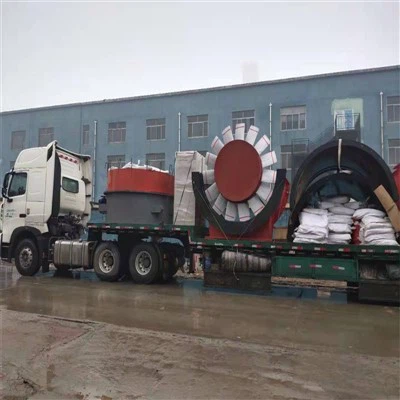
As a supplier of Subway Wind Fans, I'm often confronted with a crucial question from our customers: "Are Subway Wind Fans waterproof?" This query stems from the demanding and harsh environments where these fans operate, particularly in subway systems and underground projects. In this blog, we'll delve into the science behind the waterproofing of Subway Wind Fans, exploring how they are engineered to withstand water while performing their essential functions.
The Operating Environment of Subway Wind Fans
Subways are complex underground transportation systems that are prone to various environmental challenges, including water exposure. Water can enter subway tunnels through leakage from the ground, condensation, or even during routine cleaning operations. Additionally, heavy rainfall can cause flooding in some subway stations. Therefore, Subway Wind Fans must be able to operate reliably in the presence of water to ensure proper ventilation and air circulation.
Engineering for Waterproofing
The design and construction of Subway Wind Fans take into account the need for waterproofing. These fans are built with a series of measures to protect their internal components from water damage.
Enclosure Design
The enclosure of a Subway Wind Fan is typically made of high - quality, corrosion - resistant materials. Stainless steel is a popular choice due to its excellent resistance to rust and moisture. The enclosure is designed to be sealed tightly, preventing water from seeping into the fan's interior. Special gaskets and seals are used at joints and openings to create a watertight barrier. These seals are made of materials that can withstand the pressure and temperature variations within the subway environment.
Motor Protection
The motor is the heart of the Subway Wind Fan, and protecting it from water is crucial. Motors in these fans are often equipped with waterproof coatings and insulation. The windings are coated with materials that can prevent water from short - circuiting the electrical connections. Additionally, some motors are designed with a sealed housing, which further safeguards them from water ingress. In cases where the motor may be exposed to water, special drainage channels are incorporated to allow any accumulated water to escape.
Blade Design
The blades of Subway Wind Fans are another critical component. They are designed to be aerodynamic while also being resistant to water. The materials used for the blades are typically lightweight and strong, and they are treated to prevent corrosion. The shape of the blades is optimized to minimize the impact of water droplets. When water hits the blades, it should slide off easily, rather than causing imbalance or damage to the fan's operation.
Testing for Waterproof Performance
To ensure that Subway Wind Fans meet the required waterproof standards, they undergo rigorous testing. These tests simulate the real - world conditions that the fans will encounter in subway systems.
Water Ingress Testing
In water ingress testing, the fans are exposed to different levels of water spray and immersion. The fans are sprayed with water at various pressures and angles to mimic heavy rainfall or leakage. In some cases, the fans are submerged in water for a certain period to test their ability to resist water penetration. Sensors are used to detect any water that may have entered the fan's interior during the test.
Corrosion Resistance Testing
The fans are also subjected to corrosion resistance testing. Samples of the fan components, such as the enclosure, blades, and motor parts, are exposed to a corrosive environment for an extended period. This can include exposure to saltwater or a humid environment with a high concentration of pollutants. After the test, the components are examined for signs of corrosion, and the results are used to evaluate the fan's long - term durability in a water - prone environment.
Benefits of Waterproof Subway Wind Fans
Having waterproof Subway Wind Fans offers several significant benefits for subway systems and underground projects.
Reliable Operation
With the ability to resist water, these fans can operate continuously and reliably, even in wet conditions. This is crucial for maintaining proper ventilation in subway stations and tunnels, which is essential for the health and safety of passengers and staff. Adequate ventilation helps to remove pollutants, smoke, and odors, and it also ensures a comfortable environment inside the subway.


Long Lifespan
Waterproof fans are more durable and have a longer lifespan compared to non - waterproof models. By protecting the internal components from water damage and corrosion, the fans can withstand the harsh subway environment for many years. This reduces the need for frequent replacements, which can save both time and money for subway operators.
Cost - Effectiveness
Although the initial investment in waterproof Subway Wind Fans may be higher than non - waterproof models, the long - term cost - effectiveness is significant. The reduced maintenance and replacement costs, combined with the reliable operation, make these fans a more economical choice in the long run.
Our Product Range
As a supplier, we offer a comprehensive range of Subway Wind Fans. Our Subway Wind Fan | SDS Tunnel Jet Fan for Metro and Underground Projects is designed to meet the high demands of subway ventilation. It features advanced waterproofing technology and a robust design, ensuring reliable performance in wet conditions.
In addition to our standard Subway Wind Fans, we also provide SDS High Temperature Axial Flow Smoke Exhaust Fan and SDS Series Explosion Proof Jet Fan For Tunnels. These fans are specifically engineered for special applications in subway systems, such as smoke exhaust during a fire and explosion - proof operation in hazardous areas.
Contact Us for Procurement
If you are involved in a subway or underground project and are in need of high - quality, waterproof Subway Wind Fans, we invite you to contact us for procurement discussions. Our team of experts is ready to provide you with detailed product information, technical support, and customized solutions to meet your specific requirements.
References
- "Ventilation Design for Subway Systems" - A technical manual on subway ventilation concepts and engineering practices.
- "Materials Science for Corrosion Resistance in Harsh Environments" - A research publication on the properties of materials used in waterproof fan construction.